Trade Bitcoin (BTC)
Bitcoin (BTC) Price Chart
The Bitcoin price is on the decline this week.
Market Overview
What Is Bitcoin?
Bitcoin is a cryptocurrency, a digital currency that operates using a decentralised ledger called the blockchain, to record all transactions transparently and securely.
Unlike traditional fiat currencies, the Bitcoin network is decentralised, meaning that it is not controlled by any central authority, such as a government or bank. Instead, it relies on a distributed network of computers, known as nodes, to validate and record transactions.
This facilitates peer-to-peer, global exchange and eliminates the need for third-party intermediaries, making Bitcoin widely accessible.
Bitcoin's limited supply, which is capped at 21 million coins, makes it a unique store of value, often compared to precious metals. Its decentralised nature provides resistance to censorship and offers users increased financial autonomy.
Cryptocurrencies in Trend Price?
Cryptocurrencies in Trend Volume?
Bitcoin (BTC) News
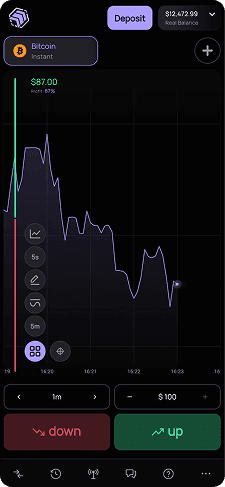
TRADE BITCOIN TODAY
Create an Catchline account and trade Bitcoin on secure, user-friendly platform with signals today!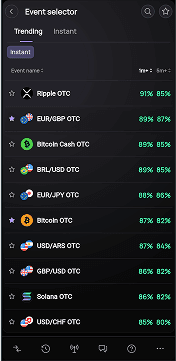
Bitcoin (BTC) News